


Multi-Family Management Pest Woes.
If you manage multifamily properties in Florida, you’ve heard the usual suspects when residents talk pests.
“It’s the rodents.” (Because the scratching sounds in the walls at 3:17 a.m. is not a poltergeist)
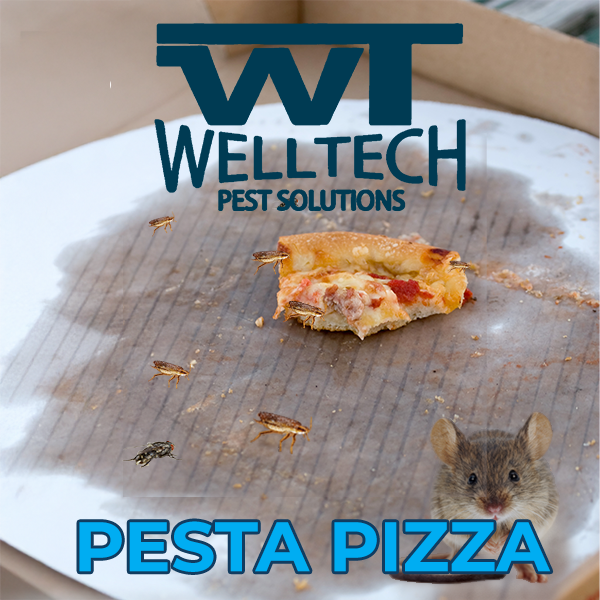
“It’s the roaches.” (Because after a few slices of pizza on the countertop next to the refrigerator, became an aphrodisiac for German roaches to create thousands of kiddos.)
But the real villain?
It doesn’t scurry across kitchen floors.
It doesn’t leave a painful sting.
It doesn’t even introduce itself.
It works quietly. Patiently.
Below the surface.
And no… we’re not talking about gators, either.

Meet the Silent Saboteurs: Subterranean Termites
Let us introduce you to the family Rhinotermitidae, better known as Subterranean termites. These insects live underground, out of sight and out of mind, until one day your maintenance team notices bubbling paint, hollow-sounding wood, or worse, structural damage. Either way, these termites’ expanding population will munch away at the quality of multi-family residential life and devalue multi-family property.
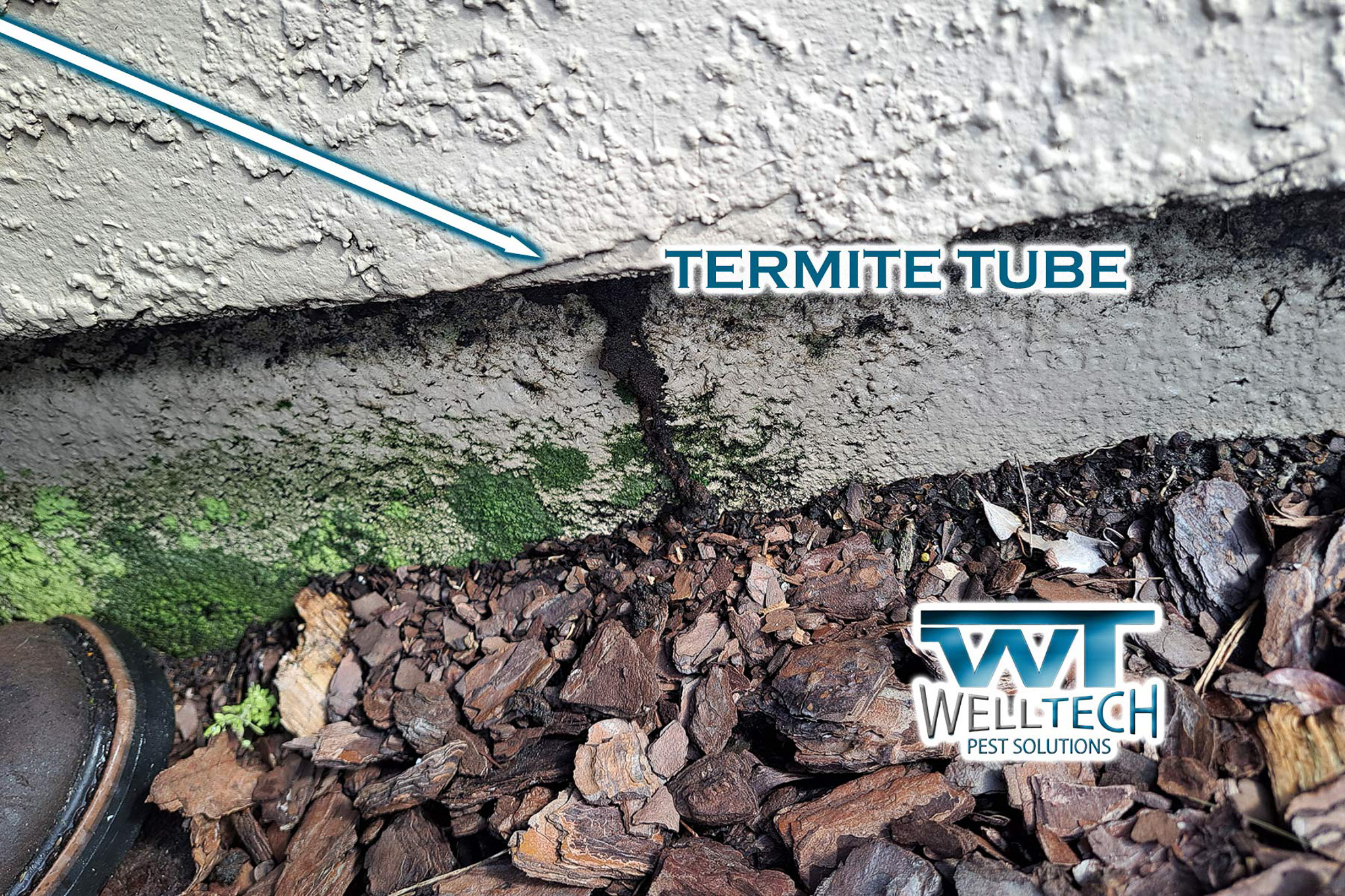
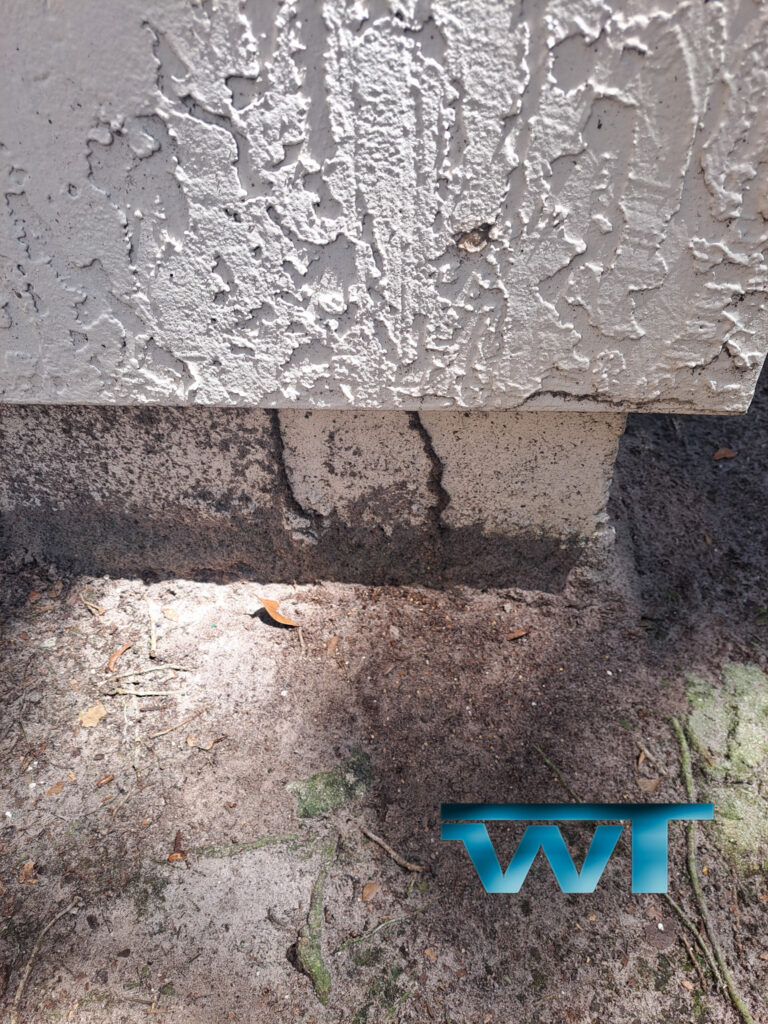
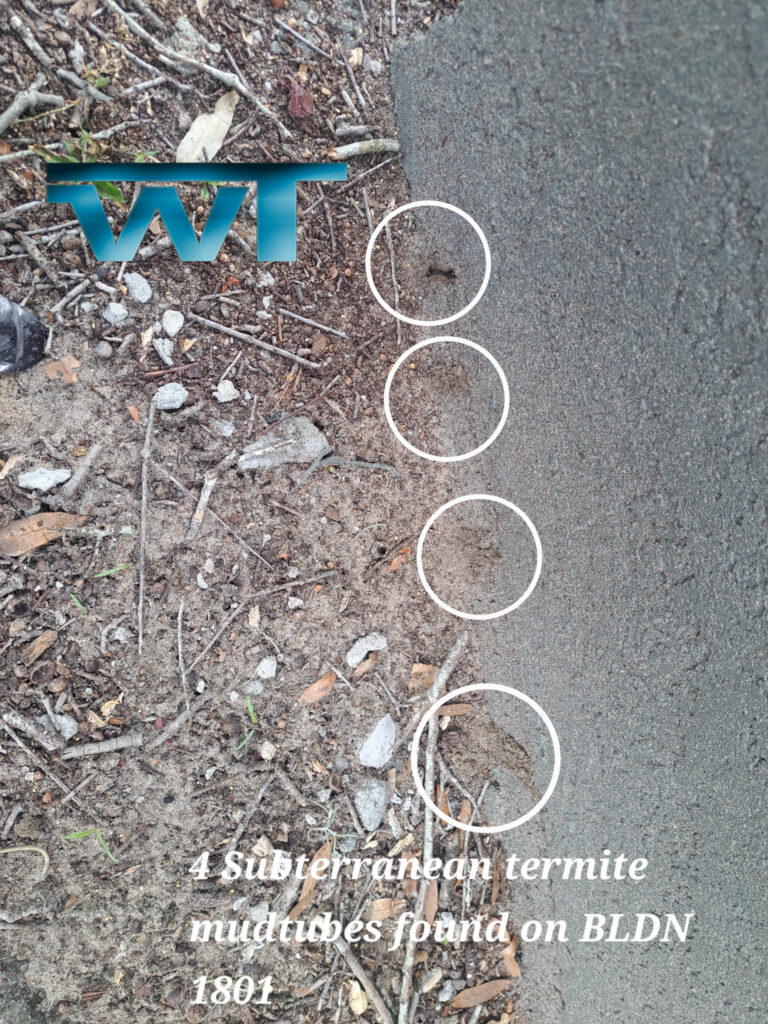
These termites build mud tubes along foundations and slip inside to feed on wood and cellulose materials. From there, they hollow out beams, framing, stairwells, breezeways, literally eating properties from the inside out.
Across the U.S., termites are conservatively estimated to cause over $5 billion annually in damage and treatment costs. Florida accounts for a fifth of that estimate. Termites love Florida weather as much as we do! Unfortunately, they don’t have to pay living expenses to grow their families.
And here in Florida, we also contend with the highly destructive Formosan Subterranean Termite, whose colonies are far larger and more aggressive than typical species. Industry research shows serious structural damage can occur in as little as six months under the right conditions.

For multifamily property managers, termites do not just account for wood damage.
Termites account for displaced residents.
Termites account for emergency repairs.
Termites account for insurance complications.
Termites account for reputation risk.
Termites account for NOI erosion.
And that’s stress you simply don’t need.
Why Gaps in Protection Matter
Many properties rely on bait station systems such as Sentricon. While baiting systems can play a role in termite management, there’s a biological reality that every property manager should understand:
Subterranean termites are random foragers.
Stations may be installed up to 20 feet apart. If termites don’t encounter a station during their foraging path, they won’t magically seek it out. That leaves potential gaps, gaps that termites can exploit without you knowing until visible damage appears.
Add to that:
- Stations covered by mulch or rock
- Landscaping changes over time
- Missed inspections
- Hidden activity between intervals
When you’re protecting multimillion-dollar assets, “hope they hit the station” isn’t a strategy, it’s a gamble.
Prevention Starts with the Basics
There are always mitigating factors that reduce risk, and smart property managers already know this. The biggest one?
Moisture control.
Termites thrive where moisture lingers. Risk can be reduced by:
- Ensuring proper rainwater drainage
- Directing sprinkler systems away from foundations
- Reducing excessive mulch buildup
- Keeping plants trimmed away from structures
- Maintaining clear visibility for inspections
But moisture management alone won’t eliminate colonies that are already active underground.
A Decade of Defending Florida’s Multifamily Properties
This year, WellTech Pest Solutions proudly celebrates 10 years of battling termites across Florida’s multifamily communities.
For a decade, we’ve worked alongside property managers, regional supervisors, and ownership groups to protect:
- Apartment communities
- Condominiums
- Student housing
- Senior living communities
- HOA-managed properties
We understand the unique complexity of multifamily properties—shared walls, high occupancy turnover, maintenance coordination, budget constraints, and resident communication.
Termites don’t operate unit-by-unit.
And neither do we.
Experts in Identification and Strategic Solutions
At WellTech, we specialize in:
✔ Accurate identification of termite species
✔ Differentiating between swarmers and look-alikes
✔ Locating hidden activity at multifamily properties
✔ Designing property-wide elimination strategies
✔ Coordinating with management and maintenance teams
✔ Minimizing resident disruption
For example, the Eastern Subterranean Termite—scientifically known as Reticulitermes flavipes—is one of several species that swarm in Florida. Proper identification matters, because treatment strategies vary depending on species biology and colony behavior.
Treatment vs. Service Plan — Know the Difference
Let’s clarify an important distinction:
A termite treatment involves applying termiticide along the building’s full perimeter, creating a continuous protective zone in the soil. This method allows the product to expand and bind within the soil, working for years to eliminate and prevent subterranean termite activity.
A termite bond (or termite service plan) is not the same thing.
A service plan covers monitoring and spot treatments—not full structural perimeter treatment.
For multifamily properties, understanding that distinction is critical when evaluating risk exposure and budget planning.
At WellTech, we walk property managers through these differences clearly—because transparency protects both structures and relationships.
The Emotional Cost of Termites
Behind every damaged beam is more than lumber.
It’s:
- A family wondering if their unit is safe.
- A leasing agent trying to reassure a nervous prospect.
- A maintenance supervisor scrambling to respond.
- An ownership group reviewing unexpected capital expenses.
Termites don’t just damage properties.
They disrupt communities.
After ten years in Florida’s multifamily market, we’ve seen the relief on managers’ faces when activity is eliminated. We’ve seen residents feel secure again. We’ve helped properties avoid catastrophic structural loss because someone chose to act early.
The Time to Act Is Before the Swarm
Florida has multiple species of subterranean termites that swarm seasonally, often within weeks of each other.
If you see swarmers, mud tubes, blistering wood, or unexplained damage, the colony has likely been active long before that first wing hits the windowsill.
Don’t wait to become another preventable statistic.
Protect your residents.
Protect your property value.
Protect your reputation.
Celebrate ten years of termite defense in Florida with the team that understands multifamily complexity inside and out.
WellTech Pest Solutions
Experts in identifying termites.
Experts in eliminating them.
Experts in protecting multifamily communities.
The only thing termites should be managing…
is their own eviction notice.
If you are ready for a FREE WDO Inspection, please contact us here.